
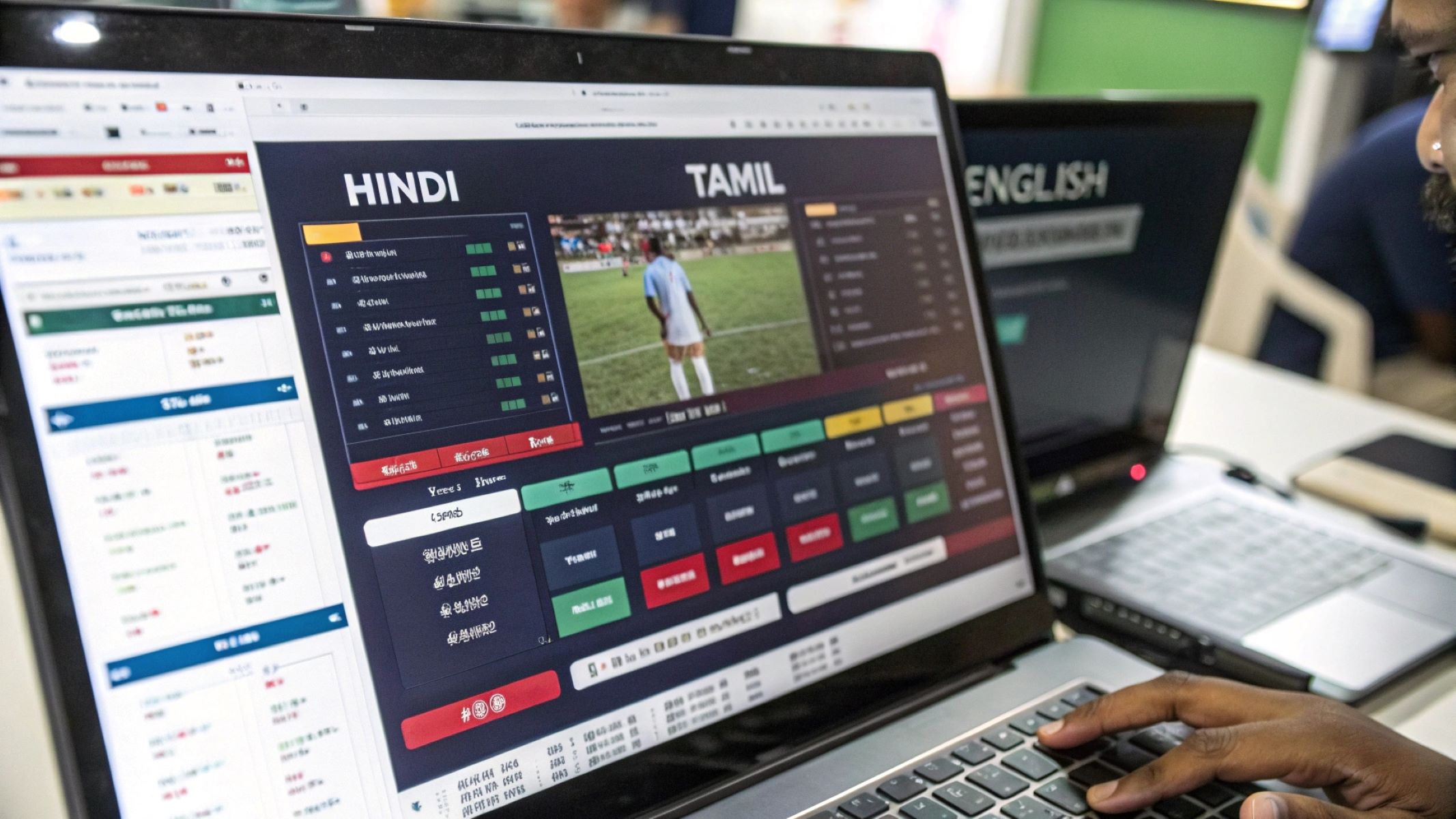
Ever tried navigating a website that’s all in a language you barely understand? Frustrating, right? Now, imagine doing that while trying to place a bet — where every second counts. That’s why Indian betting sites offering multiple language interfaces are becoming game-changers. They make betting accessible, simple, and enjoyable for everyone, no matter their native tongue.
Understanding the Rise of Multilingual Betting Platforms in India
India’s linguistic diversity is nothing short of astounding. With 22 official languages recognized by the constitution and hundreds of dialects spoken across the country, the way people communicate varies dramatically from region to region. This rich tapestry of languages influences how Indians interact with digital content, including online betting platforms. Initially, most betting sites focused primarily on English and Hindi, the two most widely spoken and understood languages in India. However, this narrow focus quickly became a limiting factor as many potential users from non-Hindi-speaking states found it challenging to navigate and engage with these platforms. Recognizing this gap, betting operators realized that catering to only a fraction of India’s population meant missing out on a vast and enthusiastic user base.
The early days of online betting in India were dominated by English and Hindi interfaces, which naturally appealed to urban populations and the northern and central parts of the country. However, India’s demographic is incredibly diverse, and a significant portion of the population resides in southern and eastern states where languages like Tamil, Telugu, Bengali, Marathi, Kannada, Malayalam, and Punjabi reign supreme. These regions represent millions of potential users who, if given an interface in their native language, would be far more inclined to participate in online betting. As a result, savvy betting companies began the process of localizing their platforms by introducing multiple language options tailored specifically to these key regional markets. This move wasn’t just about translation—it was about embracing cultural nuances and creating a user experience that felt natural and welcoming.
Introducing multiple language interfaces opened up betting platforms to an entirely new segment of users who previously felt excluded or hesitant due to language barriers. Beyond just accessibility, it built trust and comfort. When bettors can read terms, promotions, and betting instructions in their mother tongue, they are more confident and willing to engage. It also reduces errors and misunderstandings, which is crucial when money is involved. This strategic shift towards multilingual platforms helped betting companies to expand rapidly across India, tapping into previously underserved markets and increasing user retention. The multilingual approach also encouraged responsible betting practices by making important information easier to understand and digest.
Today, multilingual betting platforms are no longer a niche concept—they’re a necessity. India’s online betting landscape continues to evolve alongside technological advancements and increasing internet penetration in rural and semi-urban areas. As more people come online from diverse linguistic backgrounds, betting sites that invest in comprehensive language support are gaining a significant competitive edge. These platforms demonstrate cultural sensitivity while boosting accessibility, driving higher engagement, and enhancing the overall betting experience. In essence, the rise of multilingual betting platforms in India reflects a broader trend of digital inclusion, making betting more democratic and available to everyone, regardless of the language they speak.
The Language Diversity of India and Its Impact on Online Betting
| Language | Number of Native Speakers (Millions) | Regions Predominantly Spoken | Cultural Significance | Impact on Online Betting |
| Hindi | 528 | Northern and Central India | Official language of the Indian government; widely used in media and education | Primary language for many betting sites; wide reach but limited outside Hindi belt |
| Bengali | 97 | West Bengal, Tripura | Rich literary and cultural heritage; second most spoken language in India | Increasing demand for localized content due to a large, engaged user base |
| Telugu | 81 | Andhra Pradesh, Telangana | Known for its vibrant cinema industry and distinct script | Regional platforms offer Telugu interfaces to tap into Southern markets |
| Marathi | 83 | Maharashtra | Language of Mumbai and Pune; strong cultural identity | Significant user base in Maharashtra requiring dedicated language support |
| Tamil | 78 | Tamil Nadu | One of the oldest languages; widely spoken in South India and Sri Lanka | Popular among users demanding seamless navigation and betting instructions in Tamil |
| Gujarati | 56 | Gujarat | Strong trading community; vibrant diaspora | Regional payment methods and language options increase trust in Gujarat |
| Kannada | 44 | Karnataka | Language of Bangalore and other tech hubs | Regional language support helps engage users beyond metro cities |
| Malayalam | 38 | Kerala | Highly literate population with a keen interest in technology | Kerala’s bettors prefer platforms offering Malayalam interfaces and local customer service |
| Punjabi | 33 | Punjab | Known for its rich cultural festivals and traditions | Punjabi language support fosters engagement in North-West India |
How Indian Betting Sites Incorporate Multiple Language Interfaces
When you visit a modern Indian betting site, the experience feels smooth and natural, regardless of the language you speak. But what exactly goes into creating a multilingual platform that works so seamlessly? Let’s pull back the curtain and explore the key elements that make these betting sites truly multilingual and user-friendly.
- Most betting sites feature a clear and easy-to-find language selection tool, often positioned prominently at the top of the homepage. This usually takes the form of a drop-down menu or clickable country/flag icons, allowing users to switch between languages instantly without refreshing the page or logging out.
- Many advanced platforms use geolocation technology to detect your IP address and automatically suggest the most appropriate language for you. This smart auto-detection ensures that users are greeted in their native or preferred language right from the start, reducing friction and confusion.
- Beyond simply translating the text, leading betting sites focus on full localization of the user experience. This means adjusting everything from currency formats to customer support to ensure it fits regional expectations and norms.
- Currency is a big part of localization. Most Indian betting platforms default to Indian Rupees (INR) with the correct symbol and decimal formatting, making financial transactions transparent and familiar to local users.
- Payment methods are tailored to regional preferences as well. Indian platforms integrate popular local wallets, UPI systems, net banking, and even region-specific payment gateways to simplify deposits and withdrawals. This reduces friction and increases user confidence in handling their money.
- Customer support on multilingual sites is staffed by representatives fluent in various Indian languages. Live chat, email, and phone support options are available in several languages, ensuring that any queries or issues can be resolved quickly without language barriers.
- Promotions and bonuses are often crafted specifically for different language groups, with marketing materials, terms, and conditions all presented clearly in the user’s chosen language. This creates a more personalized feel and higher engagement from diverse users.
Benefits of Multilingual Interfaces for Indian Bettors
For many Indian bettors, language can be a significant barrier when accessing online betting platforms. Not everyone is comfortable with English, which remains the default language on many sites. This language gap can make navigating betting options, understanding rules, or even completing simple tasks like deposits and withdrawals quite intimidating and confusing. By offering multilingual interfaces, betting platforms open the door to a much wider audience, allowing bettors who speak regional languages to participate confidently and without frustration. This accessibility is crucial in a country as linguistically diverse as India, where fluency in English varies greatly from one region to another.
Beyond simply making betting sites easier to use, multilingual interfaces help build trust and transparency between the platform and its users. When all the important information—terms and conditions, payout policies, betting rules, and responsible gaming guidelines—is available in your native language, it reduces the risk of misunderstandings. Bettors can make informed decisions with full clarity, feeling more secure that they know exactly what they’re agreeing to. This clarity also minimizes disputes or complaints arising from language confusion, creating a safer and more reliable betting environment.
Another big advantage of multilingual support is that it allows bettors to navigate sites faster and make better decisions. When the content is presented clearly and understandably, users don’t have to waste time deciphering complex instructions or guessing what certain terms mean. This speed and clarity are especially important in live betting scenarios where timing is critical. Being able to quickly place bets without language-related hesitation gives bettors an edge and a more enjoyable experience overall.
Finally, betting in your own language simply feels more comfortable and personal. A multilingual interface helps users feel at home, creating a sense of belonging and familiarity that encourages exploration. Bettors are more likely to try new games, explore diverse betting markets, and engage with promotions when everything speaks their language. This personalized experience not only enhances user satisfaction but also fosters loyalty, making multilingual platforms the preferred choice for many Indian bettors looking for convenience and connection.
Technical Challenges of Implementing Multilingual Interfaces
| Challenge | Description | Impact on Platform | Possible Solutions | Complexity Level |
| Content Management and Updates | Every time promotions, terms, or rules change, all translations must be updated quickly and accurately to maintain consistency across languages. | Delays or errors in updates can confuse users and cause legal issues. | Use centralized content management systems with professional translators and automated workflows. | High |
| UI/UX Design Complications | Different languages have varying text lengths and reading directions. For example, Hindi or Bengali often require more space than English, impacting layout and readability. | Poorly adapted layouts lead to cluttered or broken interfaces, harming usability. | Employ responsive and flexible design frameworks that adjust dynamically to text variations. | Medium to High |
| SEO Challenges | Optimizing websites for search engines in multiple languages requires unique, well-localized content to avoid duplicate content penalties and improve ranking in regional search results. | Poor SEO reduces organic traffic and limits user acquisition from regional markets. | Create language-specific content, use hreflang tags, and implement SEO best practices per language. | High |
| Maintaining Consistent Customer Support | Providing support in multiple languages requires hiring, training, and managing staff fluent in regional languages, which can be costly and complex. | Lack of multilingual support can frustrate users and reduce retention. | Outsource multilingual support or use AI-powered chatbots supplemented by human agents. | Medium to High |
How Multilingual Interfaces Improve Betting Site SEO in India
Implementing multilingual interfaces on betting sites does much more than just improve user experience—it plays a crucial role in enhancing the site’s search engine optimization (SEO) and overall visibility. By catering to multiple languages, betting platforms can attract a far broader audience and rank higher on search engine results pages for diverse regional searches. Here’s a detailed look at how multilingual interfaces contribute to SEO growth and better site engagement in the Indian market:
- Multilingual content allows betting sites to target specific regional keywords that are commonly searched by users in their native languages. For instance, someone searching in Tamil for “best cricket betting site” is unlikely to find relevant content if the site only offers English pages. By creating localized pages optimized for regional keywords, sites tap directly into these niche search segments.
- Providing unique and well-optimized content for each language helps avoid duplicate content issues that search engines penalize. Instead of just translating the same text, effective multilingual SEO involves tailoring the content to regional preferences, slang, and search intent, which improves relevance and rankings.
- Offering multiple language versions increases the total number of indexed pages, broadening the site’s footprint across search engines. This expanded presence enhances the chances of appearing in a variety of localized search queries, driving more organic traffic.
- Multilingual sites often see higher engagement rates because users feel more comfortable and understood. When visitors spend more time on the site reading content in their language, it sends positive signals to search engines about the site’s quality and relevance.
- More languages mean wider accessibility, attracting users from different parts of India and even the global Indian diaspora. This larger audience base naturally leads to increased traffic, higher page views, and better overall site performance metrics—all key factors that influence SEO rankings.
- Multilingual SEO also supports the use of hreflang tags, which help search engines understand which language version to show to users based on their region and language preferences. Proper implementation prevents content confusion and ensures the right audience sees the right version.
- By expanding their linguistic reach, betting sites improve their chances of appearing on voice search results in regional languages, which is a growing trend with the increasing use of voice assistants in India.
- A multilingual approach also enhances backlink opportunities from regional websites, blogs, and forums, which can further boost domain authority and search rankings.
- Finally, providing content in multiple languages helps build brand authority and trust in regional markets. Users are more likely to share and recommend a site that respects their language and culture, creating organic growth through word of mouth that positively impacts SEO.